3–4 sessions
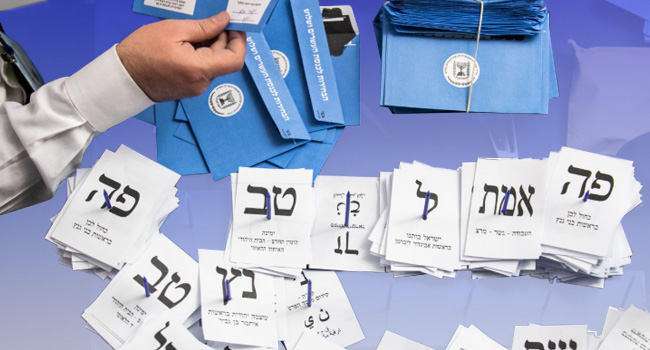
In this hands-on Mock Elections Program, students research real Israeli parties, produce campaign videos, pitch policy platforms, and step into the shoes of actual voters, from a Gaza Envelope family demanding accountability to a Haredi mother facing her sons' conscription. Then they vote, tally results, and (if you dare) dive into the messy, high-stakes world of coalition negotiations, just like the real Knesset.
It's part civics class, part reality show, part democracy simulator. Your students won't just understand how Israeli elections work, they'll have lived one. Perfect timing to give your students a taste of this election season in Israel.
Lesson goals
- Affective – Students will appreciate the hopes, fears, and values that drive Israeli voters across the political spectrum.
- Behavioral – Students will research a party, campaign for it, and cast an informed vote.
- Cognitive – Students will understand how Knesset elections work: proportional representation, what the major parties stand for, and how coalitions form.
Essential Questions
- How does a democracy function when no single party can win on its own and power depends on building coalitions?
- What values and identities are competing for influence in Israeli society, and how do elections give voice to that diversity?
- How do citizens make political choices, and what responsibilities come with the right to vote?
Big Ideas
- Israeli democracy relies on coalition-building, which forces negotiation and compromise among parties, but it can also give small parties disproportionate power in forming a government.
- Elections are a mirror of society, surfacing the religious, ethnic, ideological, and security-related tensions and aspirations that define a nation.
- Voting is both a right and a responsibility, requiring citizens to weigh competing priorities and accept outcomes within a shared democratic framework.