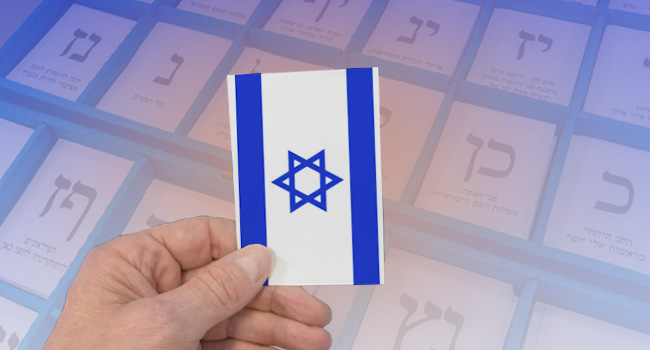
Affective – Students will appreciate why Israelis across the political spectrum care so deeply about elections, and will recognize the many different voices the system is built to include.
Behavioral – Students will build and defend arguments in a structured debate about whether Israel’s electoral system should change.
Cognitive – Students will understand how Israeli elections work — 120 Knesset seats, seats matching each party’s share of the vote, the 3.25% minimum to get in, and why parties must join together in coalitions to govern.
Essential Questions
How does a democracy work when no party can win on its own and everyone has to share power?
Is it better for a country to have two big parties or many small ones?
Big Ideas
Every Israeli government is a coalition: parties have to negotiate and work together, but small parties can end up with a lot of power.
Israel’s low bar for entering the Knesset means almost every group in society gets a voice, and Israelis themselves argue about whether that is the system’s biggest weakness or its biggest strength.